How to Increase Sales with Retail Analytics
Discover how data-driven insights can transform your retail operations and boost sales by 40%. Learn practical strategies from successful retailers.

What is Retail Analytics and Why is it Important?
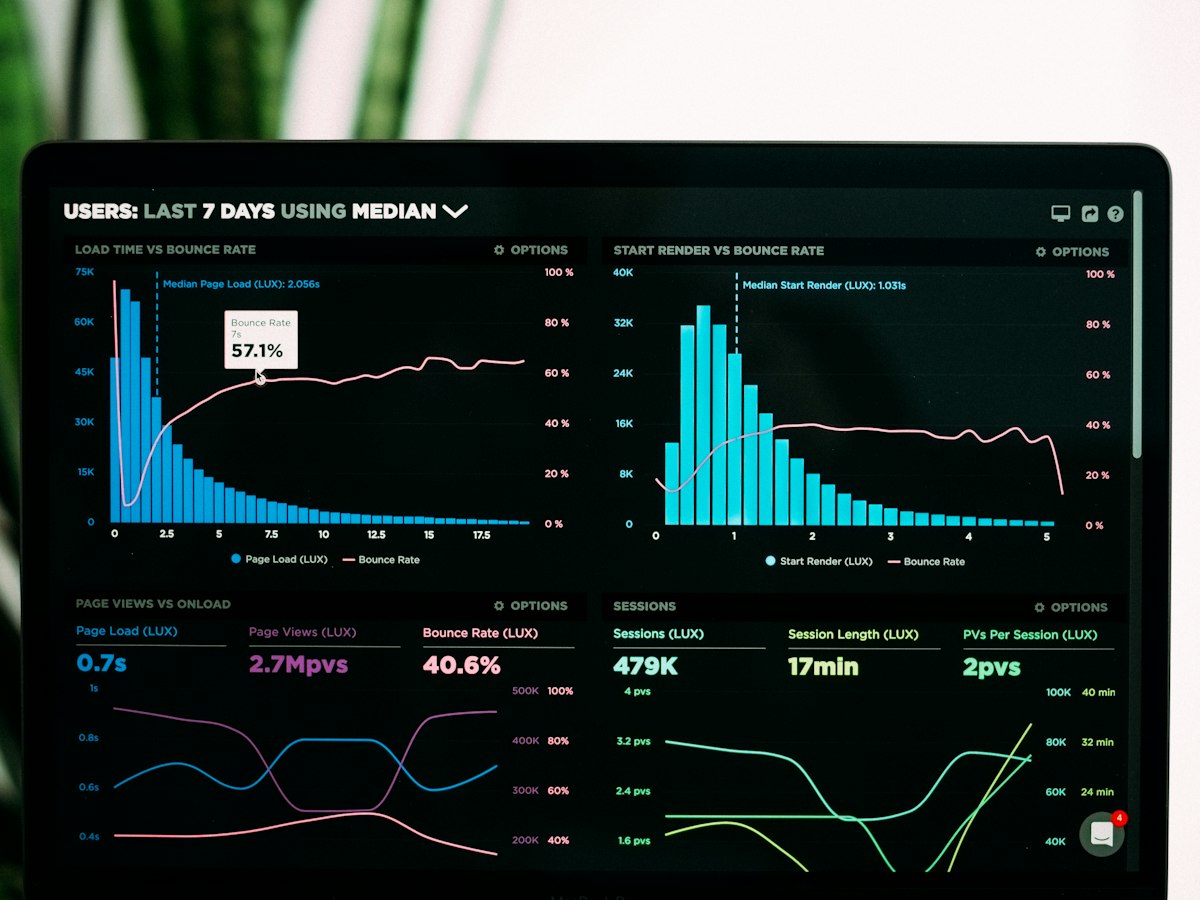
Retail analytics is the process of providing analytical data on inventory levels, supply chain movement, consumer demand, and sales that are crucial for making marketing and procurement decisions. In today's digital age, making data-driven decisions is no longer a luxury but a necessity. Successful retailers analyze millions of data points every day to better serve their customers and optimize their operations.
The Data Revolution in Modern Retail
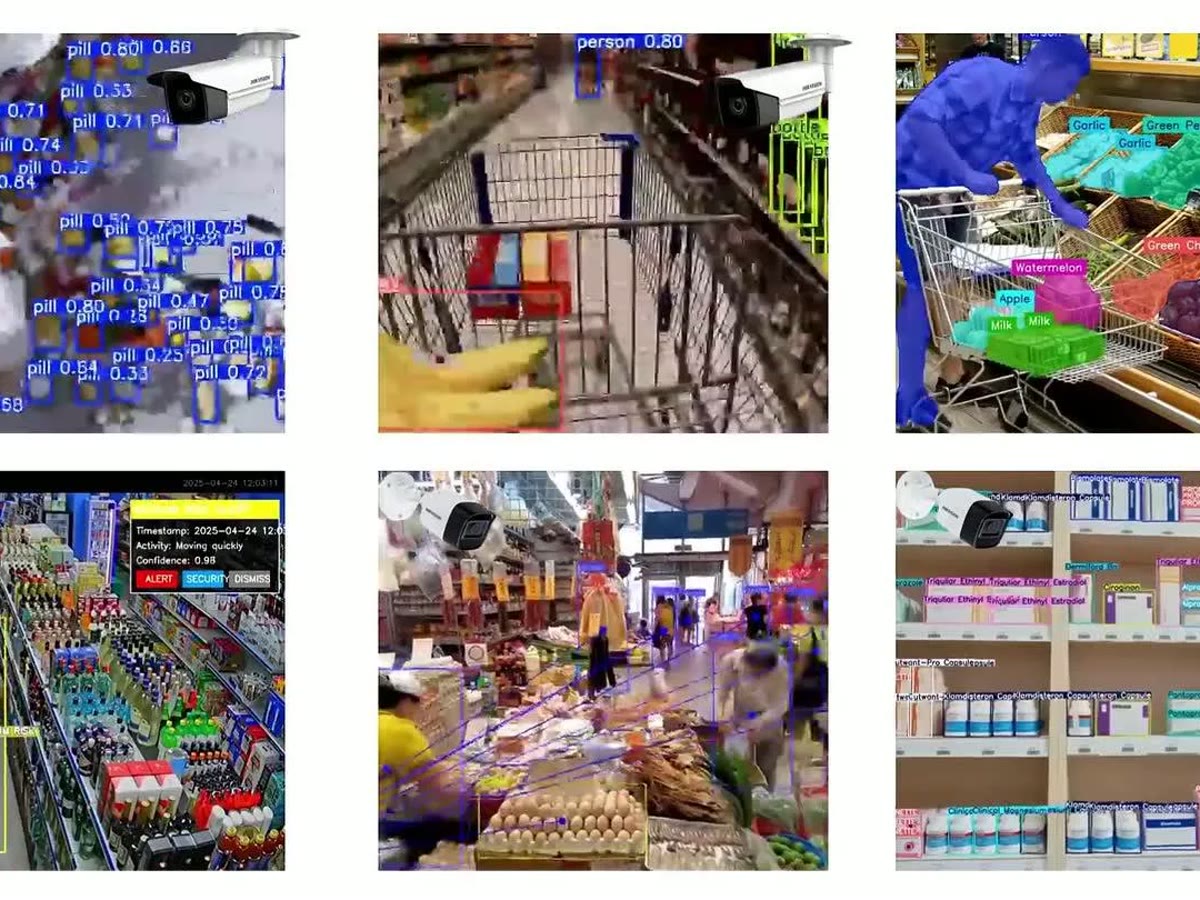
In the last decade, the retail sector has undergone a massive transformation. Traditional "guess and check" methods have given way to data-driven strategies. Today, successful retailers build every decision on concrete data. Thanks to artificial intelligence and machine learning technologies, in-store cameras are now used not only for security purposes but also to understand customer behavior.
These technologies can analyze in detail how customers move through the store, which products they are interested in, and how much time they spend. For example, when a customer stops in front of a product but doesn't buy it, the system records this, and this information can be used to improve product placement or pricing strategies.
Key Benefits of Retail Analytics
- Deep Understanding of Customer Behavior: Which products are getting attention? What times is the store busy? How do customers move through the store? You can now get clear answers to these questions. With heat maps, you can identify the most visited areas and optimize your product placement accordingly.
- Smart Inventory Optimization: Which products are selling out fast? Which ones have excess stock? With AI-powered forecasting, you can reduce your inventory costs by up to 30%. The system determines optimal stock levels by taking into account seasonal changes, holidays, and even weather conditions.
- Dynamic Staff Planning: Do you have enough staff during peak hours? Which shifts need more cashiers? Increase efficiency and maximize customer satisfaction with data-driven staff planning.
- Campaign Effectiveness Measurement: Which campaigns are working and which aren't? Track your ROI in real-time and optimize your strategy instantly. Learn which promotions are most effective by comparing pre and post-campaign data.
- Store Layout Optimization: Optimize your store layout by analyzing customer flow patterns. Which areas are undervisited? Where should you place your premium products? Data guides you.
How to Get Started? Step-by-Step Guide
To get started with retail analytics, you first need to have the right tools. Here are the steps to follow for getting started:
1. Analyze Your Current Situation: What data do you already have? Your POS system, customer loyalty program, and existing cameras can be valuable data sources. Bring this data together to determine your starting point.
2. Set Your Goals: Do you want to increase sales, reduce inventory costs, or improve customer experience? Set clear and measurable goals. These goals will help you determine which metrics to track.
3. Choose the Right Technology: AI-powered platforms like EscherSense analyze camera footage to provide you with real-time insights. Installation is simple, results are fast. Thanks to cloud-based solutions, you can start using the system without major investments.
4. Train Your Team: Data literacy is critically important. Ensure your team can correctly interpret data and turn it into action. Develop your team's analytical capabilities by organizing regular training sessions and workshops.
Real Success Stories
A national supermarket chain achieved the following results within 6 months using EscherSense:
- 40% increase in sales: Average basket value per customer increased significantly with product placement optimization and dynamic pricing strategies.
- 25% reduction in inventory costs: With predictive inventory management, they reduced both stockouts and excess inventory costs.
- 35% increase in customer satisfaction: Customer experience improved significantly with reduced wait times and staff optimization.
- 28% improvement in staff efficiency: With data-driven shift planning, they reduced costs and increased service quality by having the right number of staff at the right time.
A fashion retailer redesigned their store layout using heat map analysis and increased foot traffic by 50%. By placing premium products in the least visited corners, they tripled sales in those areas. They also increased the average time customers spent in the store from 12 minutes to 18 minutes, creating more sales opportunities.
Future Trends
Exciting developments await us in the field of retail analytics:
- Real-Time Personalization: Offering special deals based on past shopping history as soon as the customer enters the store. Personalized recommendations and discounts through mobile applications.
- Predictive Analytics: Making inventory and campaign decisions by foreseeing future trends. Machine learning algorithms can predict 3-6 months ahead by analyzing seasonal changes and market trends.
- Voice and Emotion Analysis: Understanding customer satisfaction from tone of voice and facial expressions. This technology can be used to improve customer service quality and proactively solve problems.
- IoT Integration: More detailed data collection with smart shelves, sensors, and beacons. It becomes possible to track product shelf life and automatically update inventory levels.
Conclusion: Be Ready for the Future
Retail analytics has become essential for modern retail. With the right tools and strategies, you can get ahead of your competitors and serve your customers better. Remember, data is the new oil - but it only creates value when processed correctly.
Start your retail analytics journey with EscherSense today and see the difference immediately. Don't miss the first 30 days free trial opportunity! Our expert team will be with you every step of the way, from installation to training.